
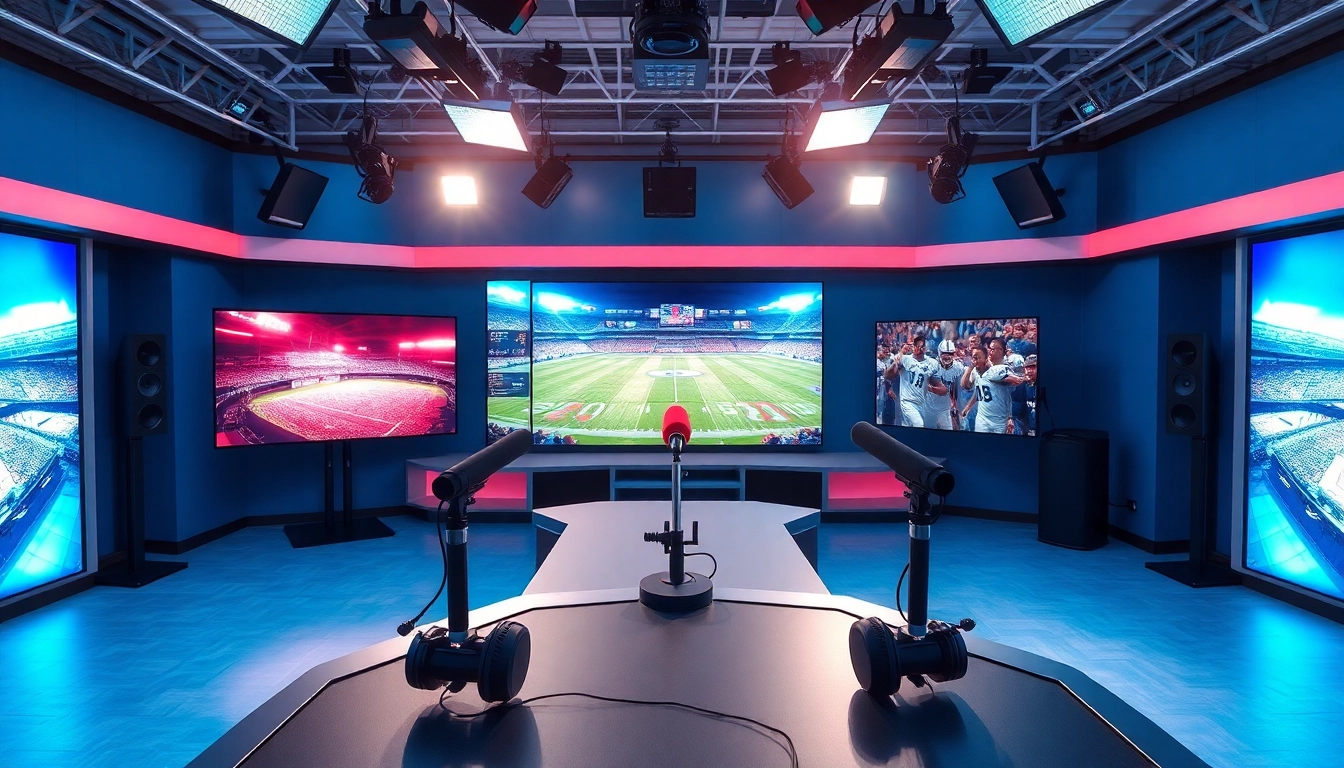
Understanding Sports Broadcasting
Definition and Importance of Sports Broadcasting
Sports broadcasting is the transmission of sports events via various media, including television, radio, and online platforms. This practice plays a crucial role in connecting fans with their favorite sports and teams, offering real-time updates, analyses, and commentary. The significance of sports broadcasting extends beyond entertainment; it fosters a sense of community among fans, enhances viewer engagement, and serves as a significant revenue source for leagues and networks. As audiences continue to demand more access and interactivity, the evolution of Sports Broadcasting has become increasingly vital in shaping the viewing experience.
Key Components of Sports Broadcasting
Sports broadcasting encompasses several essential components that contribute to a successful transmission of sporting events:
- Commentary: Versatile commentators provide insights and play-by-play descriptions, enhancing the viewers‘ understanding of the game.
- Graphics and Data: Real-time statistics, graphics, and visual aids provide crucial information, adding depth to the viewing experience.
- Interviews and Features: Interviews with players and coaches, along with feature segments, create a richer narrative surrounding the events.
- Production Quality: High-quality video, sound, and editing techniques are essential for creating a seamless viewing experience.
- Audience Engagement: Activities like polls, social media interaction, and live updates contribute to viewer engagement and retention.
Overview of Broadcasting Platforms
As technology evolves, so do the platforms for sports broadcasting. The traditional methods of television and radio coexist with innovative online streaming services and social media platforms, creating a diverse ecosystem for viewers:
- Television: Cable and satellite networks remain dominant players in sports broadcasting, providing extensive coverage of major sporting events.
- Online Streaming: Services such as NFL Game Pass, ESPN+, and others offer on-demand and live viewing options, allowing fans to watch games from anywhere.
- Social Media: Platforms like Twitter, Instagram, and Facebook provide a space for live updates, highlights, and fan interaction.
- Mobile Apps: Dedicated sports apps offer personalized content and notifications about specific teams and events, enhancing accessibility.
Techniques and Best Practices in Sports Broadcasting
Effective Storytelling in Sports Broadcasting
Storytelling is a powerful tool in sports broadcasting. Constructing narratives around teams, players, and rivalries can significantly enhance viewer engagement. Broadcasters often weave in background stories that resonate emotionally with the audience. For example, highlighting a player’s journey from humble beginnings to stardom can add depth to the viewing experience. Utilizing metaphors, expert analysis, and player insights can create a fuller picture, bringing the sport to life for fans.
Utilizing Technology for Enhanced Broadcasting
Technology plays a crucial role in modern sports broadcasting, with advancements continually improving the quality and experience of broadcasts. Some innovative technologies include:
- Augmented Reality (AR): AR can overlay digital content on the live broadcast, enhancing the viewer’s understanding of tactics and strategies.
- 360-Degree Cameras: These cameras provide immersive experiences, allowing viewers to feel as if they are part of the action.
- Drone Technology: Drones can capture unique aerial footage that adds a new perspective to live events.
- AI and Automation: AI-driven analytics can help commentators provide data-driven insights in real time, enhancing the overall narrative.
Engagement Strategies for Viewers
Engaging viewers is essential for broadcasters to retain interest throughout the event. Incorporating various strategies can enhance viewer participation:
- Interactive Tools: Polls, quizzes, and live chats encourage audience participation, making them feel like part of the broadcast.
- Community Building: Establishing forums or social media groups can foster discussions among fans and enhance community feel.
- Gamification: Introducing fantasy sports or prediction games can keep audiences involved and eagerly anticipating broadcasts.
- Personalization: Allowing viewers to select camera angles or commentary styles according to their preferences can create a tailored experience.
Challenges Faced in Sports Broadcasting
Adapting to Changing Audience Expectations
As viewer preferences evolve, broadcasters must adapt quickly to meet these expectations. Audiences are increasingly seeking personalized and interactive viewing experiences. Failing to adapt can lead to decreased viewership and engagement. Understanding demographic trends and audience feedback is critical for developing strategies that align with the evolving demands of fans.
Managing Live Broadcast Variables
Live sports events are unpredictable, and broadcasters face numerous challenges, from unexpected weather conditions to last-minute injuries. To mitigate these challenges, effective contingency planning is essential, including backup equipment and alternative broadcasting strategies. Effective communication and real-time decision-making are necessary to manage these live variables efficiently.
Navigating Legal Regulations and Rights
Legal implications in sports broadcasting are complex, involving broadcasting rights, licensing, and compliance with regulatory standards. Broadcasters must carefully navigate these waters to avoid potential legal issues. This includes ensuring proper licensing agreements and adherence to copyright laws surrounding images and game footage.
The Future of Sports Broadcasting
Emerging Technologies Impacting Sports Broadcasting
The broadcasting landscape is constantly evolving, with emerging technologies poised to reshape the industry. Innovations such as virtual reality (VR) and blockchain technology may create more interactive and secure viewing experiences. These technologies could enable fans to experience events in unprecedented ways, further blurring the lines between physical and digital experiences.
Trends in Viewer Consumption
Viewer consumption trends are shifting towards on-demand and mobile viewing as audiences seek flexibility in how and when they watch sports. There is a noted increase in younger viewers who prefer streaming platforms over traditional cable TV. This necessitates a reevaluation of content delivery methods to cater to these evolving preferences.
Monetization Strategies for Broadcasters
Monetization remains a critical focus in sports broadcasting. Broadcasters can explore various strategies to generate revenue:
- Subscription Models: Offering premium content through subscription services can create a steady revenue stream.
- Advertising and Sponsorships: Traditional ad revenue is still relevant, alongside potential partnerships with brands for sponsorships during broadcasts.
- Pay-Per-View Events: Major events can leverage pay-per-view models to maximize revenues from high-demand matches or tournaments.
FAQs about Sports Broadcasting
What is Sports Broadcasting?
Sports broadcasting refers to the transmission of sports events through various media channels, including TV, radio, and online platforms, aimed at connecting fans with live sports coverage.
How has technology changed Sports Broadcasting?
Technology has transformed sports broadcasting by introducing high-definition video, interactive features like AR, and streaming platforms that enhance viewer engagement and accessibility.
What are common challenges in Sports Broadcasting?
Common challenges include adapting to changing audience expectations, managing unpredictable live events, and navigating complex legal regulations surrounding broadcasting rights.
What future trends are expected in Sports Broadcasting?
Emerging technologies such as VR and blockchain, along with shifts towards mobile and on-demand viewing, will significantly shape the future of sports broadcasting.
How can broadcasters engage viewers effectively?
Effective viewer engagement strategies include interactive tools, community-building efforts, personalization of content, and gamification of broadcasts to enhance the overall experience.