
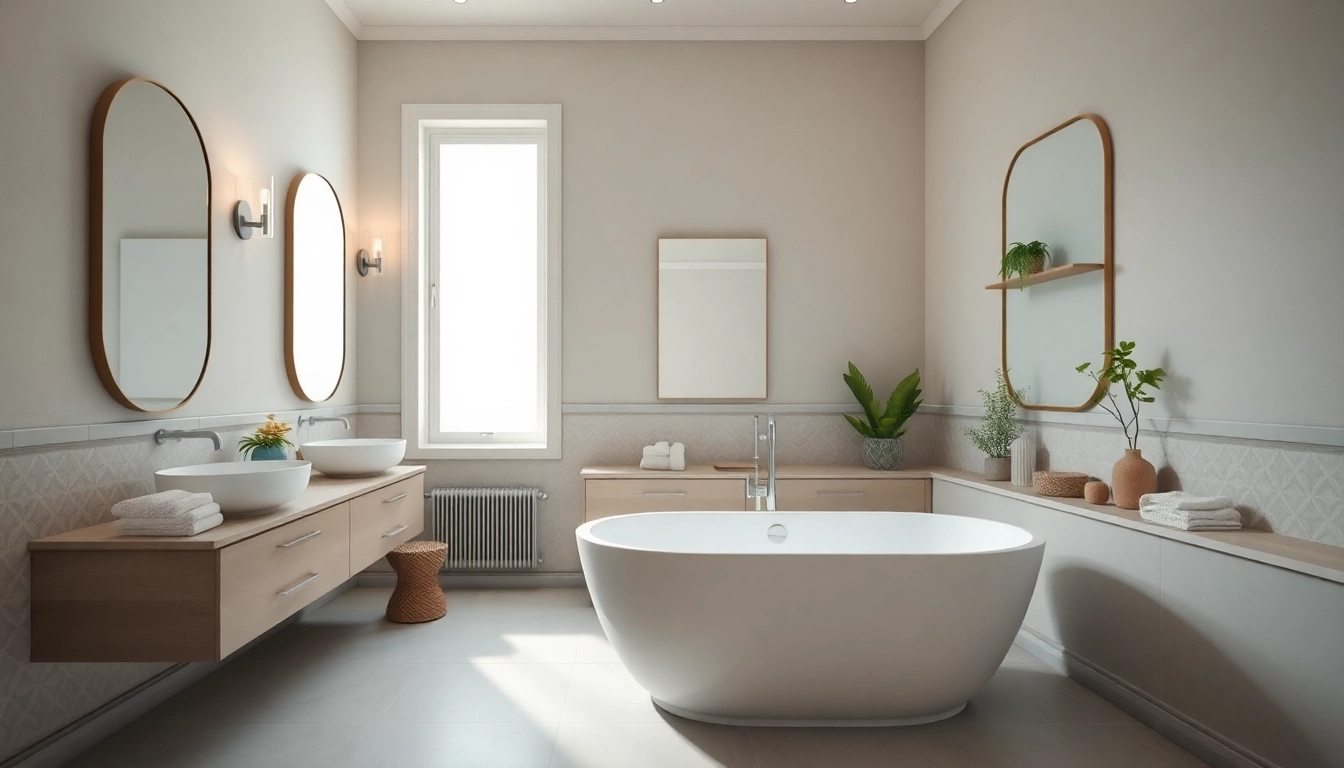
Understanding the Basics of Bathroom Remodeling
Defining Bathroom Remodeling
Bathroom remodeling is the process of altering and upgrading your bathroom to improve its aesthetics, functionality, and overall appeal. This can range from minor updates such as new fixtures and paints to major renovations that involve reconfiguring the layout, replacing plumbing, and installing new cabinetry and flooring. It’s an opportunity to personalize a space that is essential for everyday living and should reflect both comfort and style.
Key Benefits of Bathroom Remodeling
Investing in bathroom remodeling comes with multiple benefits, including:
- Increased Home Value: A stylish and functional bathroom can significantly raise the value of your home, making it more appealing to potential buyers.
- Improved Functionality: Modern materials and fixtures can greatly enhance usability, especially in small spaces.
- Enhanced Comfort: Tailoring your bathroom to suit your needs can create a space where you can relax and rejuvenate.
- Energy Efficiency: Upgrading to energy-efficient fixtures can reduce utility bills and your carbon footprint.
Common Renovation Myths Debunked
Many homeowners hold misconceptions about bathroom remodeling. Here are a few:
- Renovations are always expensive: While costs can add up, careful planning and choosing the right materials can make it budget-friendly.
- DIY is always the best choice: Knowledgeable professionals can ensure safety and quality, especially in plumbing and electrical work.
- Remodeling means a total overhaul: Strategic updates can give your bathroom a fresh look without a complete renovation.
Planning Your Bathroom Remodeling Project
Setting a Realistic Budget
Setting a budget is a critical first step in any remodeling project. Begin by assessing your current bathroom to determine what improvements you want and need. It’s essential to allocate funds for unexpected expenses that can arise during the remodeling process. Allocate approximately 10–20% of your total budget for contingencies.
Choosing the Right Style for Your Space
Your bathroom’s design should resonate with the overall style of your home while fulfilling personal preferences. Popular styles include traditional, contemporary, minimalist, and eclectic. Research fixtures, tile patterns, and color schemes that reflect the atmosphere you wish to create. Consider utilizing mood boards to visually summarize your ideas and concepts.
Hiring Professionals vs. DIY
Deciding between hiring professionals or taking on a DIY approach can be daunting. While DIY projects can save money, they may not yield the professional finish, especially in technical areas like plumbing and wiring. Hiring experienced contractors ensures adherence to local codes and high-quality work. Evaluate your skillset and evaluate the scope of the work carefully before making a decision.
Design Trends in Bathroom Remodeling
Popular Color Schemes and Materials
Current trends favor clean lines and neutral palettes punctuated with bold accent colors. Materials like natural stone, quartz, and eco-friendly options stand out for their beauty and durability. Utilizing textures can create depth; think matte ceramics, glossy tiles, and rich wood finishes. A cohesive color scheme can elevate your bathroom’s aesthetic while providing a sense of tranquility.
Space-Saving Solutions and Innovations
With the increasing popularity of small-space living, innovative design solutions have emerged. Wall-mounted vanities, floating shelves, and sliding doors are excellent for maximizing space. Consider multifunctional furniture pieces, such as a stool that also acts as a storage unit, to enhance the room’s efficiency without compromising on style.
Incorporating Smart Technology
The integration of smart technology is revolutionizing bathroom design. Smart mirrors can offer features like lighting adjustments and defogging options, while smart showers adjust water temperature and pressure with ease. Automated lighting and even smart toilets that include features like self-cleaning functions enhance comfort and convenience in everyday life.
Implementation: From Vision to Reality
Essential Steps in the Remodeling Process
Executing your remodeling plan involves several critical steps:
- Design Finalization: Review plans and finalize the design in collaboration with your contractor.
- Demolition: Prepare the site by removing old fixtures and surfaces.
- Plumbing and Electrical Work: Address any necessary updates or changes to plumbing and electrical systems.
- Installation: Begin installing cabinetry, fixtures, and flooring.
- Finishing Touches: Paint, add decorations, and perform final inspections.
Staying on Schedule and Within Budget
To keep your project on track, regular communication with contractors and suppliers is paramount. Establish a timeline outlining major phases of the project. Following this, track all expenses meticulously to avoid overspending. Adjust the project goals if the budget limits the original vision, and prioritize essential elements over luxury features.
Overcoming Common Remodeling Challenges
Expect challenges throughout the remodeling journey. Common issues include delivery delays and unexpected repairs. Establish strong communication with your team to address and resolve concerns promptly. Flexibility in your plans allows for efficient problem resolution, ensuring that the project doesn’t derail.
Maintaining Your Newly Remodeled Bathroom
Regular Cleaning and Upkeep Tips
Once your bathroom is remodeled, proper maintenance is crucial for longevity. Use non-abrasive cleaning products to maintain surfaces, and schedule regular checks for plumbing to avoid leaks. Keeping walls, fixtures, and glass surfaces clean will prevent the buildup of grime and mildew, ensuring your bathroom remains fresh and inviting.
Long-term Value of Bathroom Remodeling
Investing in a bathroom remodel pays off in both comfort and home value. A well-designed bathroom brings enjoyment while enhancing the overall appeal of your property. Homebuyers often prioritize bathrooms when evaluating a home’s worth, making it a strategic investment.
When to Consider Future Upgrades
Consider upgrading your new bathroom further when wear and tear becomes evident, or design trends shift significantly. Incorporating energy-efficient fixtures and smart technology are also excellent reasons to revamp elements of your bathroom, helping to maintain modern standards of comfort and efficiency.
FAQs
How long does a bathroom remodeling project typically take?
Most bathroom remodeling projects take between 3 to 6 weeks, depending on the complexity of the changes, availability of materials, and contractor schedules.
What are the signs that my bathroom needs remodeling?
Look for outdated fixtures, water damage, cramped spaces, and worn-out surfaces as signs that a bathroom remodeling could enhance functionality and aesthetics.
Can I increase my home’s value with bathroom remodeling?
Yes, well-executed bathroom remodeling projects often yield a high return on investment and can significantly increase your home’s market value, appealing to potential buyers.
How do I choose a bathroom remodeling contractor?
Check for licenses, read reviews, ask for past work examples, and get multiple quotes to ensure you’re selecting a reputable contractor for your bathroom remodeling.
What are the latest trends in bathroom design?
Current trends include minimalist designs, bold color contrasts, eco-friendly materials, and smart tech integration, creating stylish yet functional bathroom spaces.