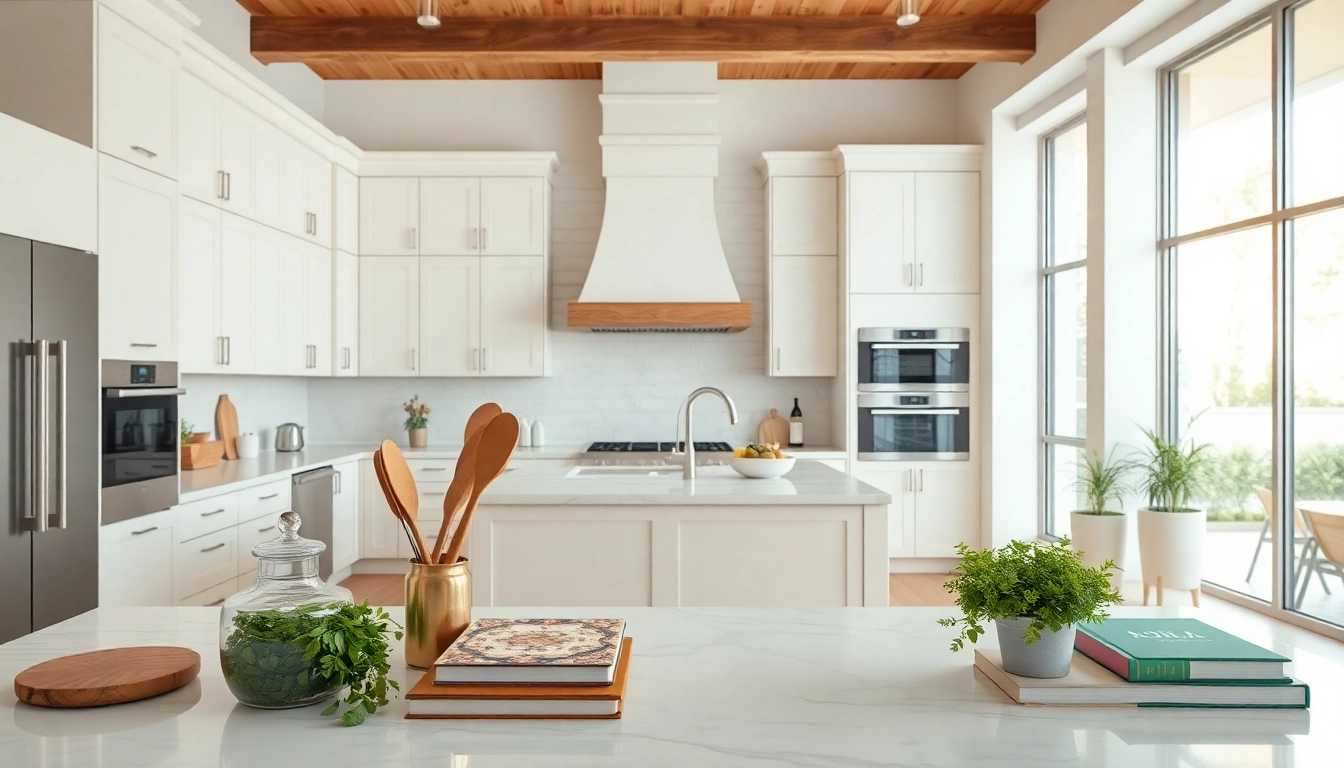
Understanding Kitchen Remodeling Needs
Embarking on a kitchen remodeling project can be a thrilling journey for homeowners, ushering in a host of new possibilities for how they utilize their culinary space. Before diving into the design and construction phases, however, it's crucial to first understand your current kitchen dynamics. This involves assessing your present kitchen layout, defining your style and preferences, and establishing a realistic budget. In this guide, we will explore each of these aspects in depth to pave the way for a successful renovation.
Assessing Your Current Kitchen Layout
Understanding the current layout of your kitchen is the foundation of any remodeling project. Evaluate how the existing space functions and note any pain points or inefficiencies. Key considerations include:
- Workflow: Analyze the “kitchen work triangle,” which includes the relation between the stove, refrigerator, and sink. Efficient workflows minimize extra steps during meal preparation.
- Storage: Examine your storage solutions. Are cabinets and drawers adequately accommodating your kitchenware? Vertical space, including shelving and cabinetry height, can often be optimized.
- Lighting: Natural and artificial lighting play vital roles in kitchen aesthetics and functionality. Assess whether your kitchen receives ample light throughout the day and if task lighting is sufficient.
Defining Your Style and Preferences
Your kitchen serves as the heart of your home, so its design should reflect your personal style and preferences. Begin by researching various design styles, such as:
- Modern: Sleek lines, minimal ornamentation, and stainless steel appliances characterize contemporary designs.
- Traditional: Classic elements with rich wood tones, decorative moldings, and ornate details create a timeless feel.
- Farmhouse: A mix of rustic and vintage elements, emphasizing open layouts and warm color palettes.
Utilize inspiration platforms like Pinterest or Houzz to gather images that resonate with you, helping visualize your dream kitchen.
Setting a Realistic Budget
Budgeting is an integral part of the planning process. The cost of a kitchen remodel can vary widely based on the scale of the project, quality of materials, and complexity of design. To set a realistic budget:
- Market Research: Investigate the typical costs of kitchen renovations in your area. This will give you a baseline for planning.
- Prioritize Needs vs. Wants: Identify essential updates, versus aesthetic upgrades. Focus on what will yield the most value and functionality.
- Contingency Fund: Set aside approximately 10-20% of your budget for unexpected expenses that may arise during the remodeling process.
Planning Your Kitchen Remodeling Design
Once you have a clear understanding of your needs, preferences, and budget, it's time to start planning your kitchen remodel design. This stage is where creativity meets functionality, leading to a beautifully designed space that works for you.
Creating a Functional Floor Plan
The floor plan is the backbone of your kitchen's design, influencing everything from traffic flow to accessibility. Here are some steps to creating an efficient layout:
- Determine the layout: Choose from popular options like L-shaped, U-shaped, or galley layouts based on your available space and workflow.
- Space Planning: Factor in clearance zones that allow for easy movement around the kitchen. Ensure that any major appliances are easily reachable but do not obstruct pathways.
- Consider Zones: Designate specific zones within your kitchen for food preparation, cooking, serving, and cleaning, enhancing overall functionality.
Selecting Materials and Finishes
The materials and finishes you choose can drastically affect both the aesthetics and functionality of your kitchen. Consider these components:
- Counters: Options include quartz, granite, or butcher block, each with its benefits and aesthetic appeal.
- Cabinetry: Choose cabinetry that complements your chosen style. Custom cabinets offer personalization, while stock items may fit a tighter budget.
- Flooring: Select durable and attractive flooring materials such as tile, hardwood, or laminate, considering maintenance and water resistance.
Choosing the Right Appliances
Appliances are pivotal in a kitchen, not only for functionality but also for energy efficiency. When selecting appliances, keep the following in mind:
- Energy Efficiency: Look for Energy Star-rated appliances to save on long-term electricity costs.
- Size and Capacity: Ensure that appliances fit within your kitchen design without overcrowding the layout.
- Brand and Features: Research brands that offer reliable performance, focusing on features that enhance convenience and ease of use.
Hiring Professionals for Kitchen Remodeling
While DIY projects can be rewarding, hiring professionals is often necessary for more extensive kitchen remodeling. Skilled contractors can help streamline the process and bring your vision to life.
Finding the Right Contractors
The right contractor can make or break your remodeling experience. Consider the following when searching for professionals:
- Referrals and Reviews: Seek recommendations from friends or family, and read online reviews to gauge the reliability of different contractors.
- Credentials: Ensure that your contractor is licensed, insured, and has relevant certifications for the work they will be performing.
- Specialization: Look for contractors who specialize in kitchen remodels, as they will have invaluable insights and experience.
Interviewing and Reviewing Portfolios
Once you have shortlisted a few candidates, it's important to conduct interviews to assess their suitability for your project:
- Portfolio Review: Request to see examples of previous projects similar to yours, focusing on quality of workmanship and design understanding.
- Communication: Evaluate how well the contractor communicates. Clear dialogue can prevent misunderstandings during the project.
- Estimates: Collect detailed estimates to compare costs and ensure transparency regarding what is included in each quote.
Understanding Project Timelines
Understanding the timeline of your kitchen remodel helps set realistic expectations. Here are factors that can influence your project's timeline:
- Scope of Work: Larger projects may require more time for demolition, construction, and installation of new elements.
- Material Lead Times: Custom or special order materials may have extended lead times that can affect the overall project schedule.
- Contractor Availability: Check your contractor's current workload, as this can impact how quickly they can start and complete your project.
Executing the Kitchen Remodeling Project
Execution is where planning meets reality, and a seamless transition from one phase to another is key to a successful remodel. This section will delve into the implementation of your remodeling project.
Demolition and Construction Phases
The demolition phase can often be the most disruptive part of your kitchen remodel; however, proper planning can ease this process. Consider the following:
- Temporary Solutions: Arrange for temporary cooking and food storage solutions to minimize disruption during construction.
- Cleanup and Safety: Ensure that the worksite remains safe and organized. Discuss cleanup schedules with your contractor to maintain a manageable environment.
- Progress Monitoring: Regularly check in on the progress and ensure that work adheres to your outlined timeline and quality standards.
Staying on Track with Schedules
Maintaining the project schedule is crucial for timely completion. You can achieve this by:
- Regular Check-Ins: Schedule consistent meetings with your contractor to discuss progress and address any potential delays.
- Flexibility: Be prepared for the unexpected; delays may happen due to weather, sourcing materials, or labor issues.
- Daily Updates: Request daily updates or photos to visually track progress without needing to be onsite constantly.
Communicating with Your Team
Effective communication with your contractor and construction team is essential to ensure that your vision comes through accurately. Tips include:
- Clear Expectations: Clearly communicate your expectations and any changes that arise during the project to avoid confusion.
- Check-In Regularly: Maintain an open line of communication through scheduled meetings or phone calls.
- Document Changes: Keep detailed records of any changes to the original plans or costs, confirming all adjustments in writing.
Post-Renovation: Enjoying Your New Space
After the dust settles, it’s time to enjoy the fruits of your labor. This phase is crucial for assessing the success of your remodel and making any final adjustments.
Final Walkthrough and Evaluation
Before officially using your new kitchen, conduct a final walkthrough with your contractor. This allows you to:
- Inspect Workmanship: Look for any deficiencies or areas that need correction, ensuring everything meets your expectations.
- Review Functionality: Ensure that all appliances and fixtures function as required and that layout enhancements serve their intended purpose.
- Acquire Documentation: Request documentation for warranties and product manuals to keep everything organized for future reference.
Accessing Performance and Longevity
Monitoring the performance of your remodeled kitchen involves both the aesthetic value and functionality. Post-renovation, check:
- Materials Durability: Evaluate how well your chosen materials and finishes hold up against daily wear and tear.
- Maintenance Requirements: Assess how much upkeep is necessary to keep the kitchen looking fresh and functional.
- Efficiency: Monitor the energy consumption of new appliances to determine their efficiency compared to your previous ones.
Personalizing Your New Kitchen
Adding personal touches can enhance your kitchen's charm and make it feel truly yours. Consider the following:
- Upgraded Accents: Incorporate decorative elements like artwork, vases, or stylish kitchenware that reflect your personality.
- Customized Layout Enhancements: Position frequently used items for easy reach and organizational purposes, enhancing functionality.
- Smart Technology: Invest in smart home technology, like smart lighting or appliance control, to increase convenience and efficiency.
Frequently Asked Questions
What is the average cost of kitchen remodeling?
The average cost of kitchen remodeling varies widely, typically ranging from $10,000 to $50,000 depending on materials and scope.
How long does a kitchen remodeling project usually take?
A kitchen remodeling project can take anywhere from a few weeks to several months, depending on the complexity and scale of the work.
Do I need permits for kitchen remodeling?
Many remodeling projects require permits, especially if they involve structural changes, plumbing, or electrical work. Always check local regulations.
What are popular design trends in kitchen remodeling?
Popular trends include open-concept layouts, smart appliances, minimalist designs, and eco-friendly materials that maximize both aesthetics and functionality.
Can I remodel my kitchen on a tight budget?
Yes, you can remodel on a budget by focusing on cosmetic changes, such as painting cabinets, updating fixtures, and repurposing existing materials.